Recovery housing in Carroll County, Georgia
Carrollton gives Carroll County a college-town age mix, and in recovery housing the age mix of a house is a real question — one you are allowed to ask.
Need help right now?
- 988 Suicide & Crisis Lifeline — Call or text 988 · 24/7
- SAMHSA National Helpline — 1-800-662-4357 · free, confidential, 24/7
- 211 — Call 211 for local food, housing and utility help
If someone is in immediate danger, call 911. More crisis resources.
Searching from Carroll County
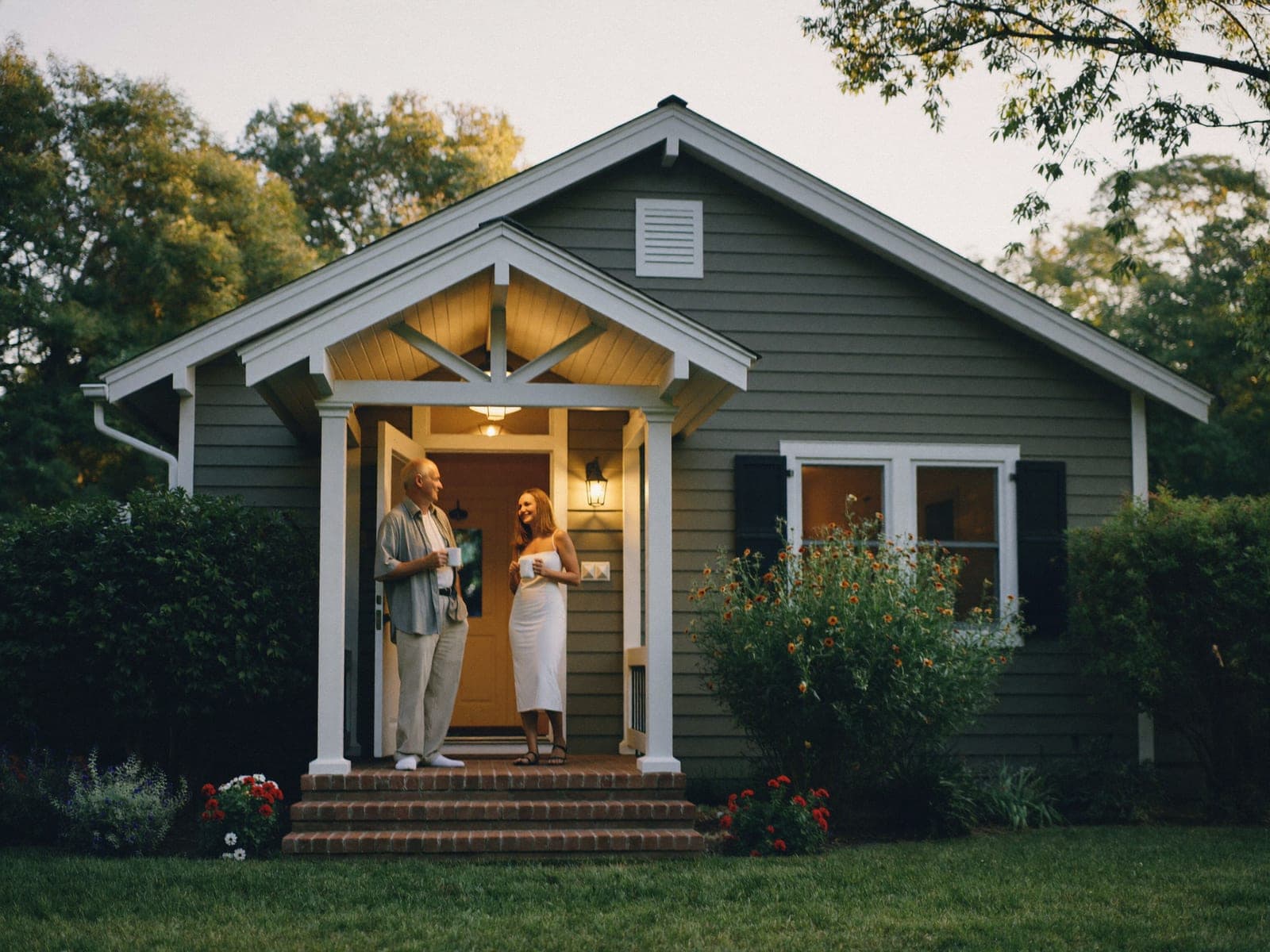
Carroll County sits at the western edge of the metro with Carrollton at its centre, and a university town changes who is searching: more people in their late teens and twenties, and more parents searching on their behalf.
About 124,569 people live in Carroll County (per georgia-demographics.com). A search that starts in one metro county rarely ends there.
Does Smart Step have a home in Carroll County?
No. We do not operate in Carroll County, and we would rather say that now than take up a week of your time. Our homes are in Gwinnett County, in metro Atlanta. If you can move there, you are welcome to apply. If you cannot, the national lines below and our resources page are a better use of your next hour than this page is.
Want Smart Step in Carroll County?
Where we open next depends on where people need us. Tell us you're here and what would help — you'll be first to know when a home opens you can reach, and you'll get Georgia's recovery resources right now. Not an application; no eligibility check.
Ask who else lives there
The age mix of a house shapes daily life in it — schedules, noise, what people are recovering alongside. A house of people twice your age can be exactly right or exactly wrong, and the same is true in reverse. Ask who lives there now: rough ages, how many are working, how many are in school. Any operator can answer that without naming anyone.
If you are a parent searching for an adult child, know now that once they move in, what the home can tell you about them is limited by law and by respect unless your child signs a release saying otherwise. Ask the home how that works before move-in day, while everyone can still discuss it calmly.
What recovery housing actually is
An ordinary house where everyone living there is working on recovery and everyone has agreed to the same written standards. People go to work, go to meetings, cook, clean and get on each other's nerves the way housemates do. The difference from any other shared house is that the expectations are written down, everyone signed them, and they apply to everyone the same way.
It is not medical care and it is not somewhere you are locked into. The longer explanation is here.
Four questions worth asking before you say yes
You will be comparing several homes. Ask all four of every one of them and write the answers down — the difference shows up in the comparison.
Can I read your house standards first?
What is due, and when?
What do you do if someone uses again?
What do you not do?
Nearby counties
Recovery housing is not allocated by county, and in metro Atlanta the right home is often one county over. If you can get there daily for work and for meetings, look at these too.
Douglas County
Paulding County
Coweta County
What we cannot tell you about Carroll County yet
We would rather show you the gaps than fill them with something plausible. Each of these is a placeholder because nobody has verified it, not because it is secret.
- Housing help in CarrollCounty — call 211 for local housing and utility programs, and find the public housing authority that serves the county through HUD's directory at hud.gov.
- Recovery support meetings — the AA (aa.org) and NA (na.org) meeting finders list times and places across Carroll County, including online meetings when a ride is the obstacle.
- If a court or a supervising officer is involved, have them contact us directly — a court referral goes straight into our intake queue, and our team responds to every one.
Until they are filled in, the three numbers at the top of this page are national, free and staffed around the clock. Calling 211 is the fastest route to a real list of local housing, food and utility help in Carroll County.
Read these before you decide
Start with For families: what we can and can’t tell you, and why. It explains exactly what a home can and cannot tell a parent, and what a signed release changes.
- How to tell a good recovery residence from a bad one — What to ask, what to look at, and the warning signs that should end the conversation.
- What to bring, and what actually happens, on your first day — The paperwork, the tour, the first night and the first week, in order.
- What “MAT-friendly” actually means — Prescribed medication, what a real welcome looks like, and how to test the claim elsewhere.
- Why curfew, chores and meetings aren’t punishment — What each part of the structure is for, and what to do the week you hate all of it.
If you are ready to apply
The application takes a few minutes and asks for what we need to place someone safely, not for your whole history. Apply for housing or read how the process works.