Sober Living Atlanta: What to Expect from Recovery Housing
Sober living in Atlanta gives adults in recovery a place to live that actively supports sobriety. Smart Step calls these homes what they are — recovery residences: shared houses with clear standards, daily structure, and real accountability.
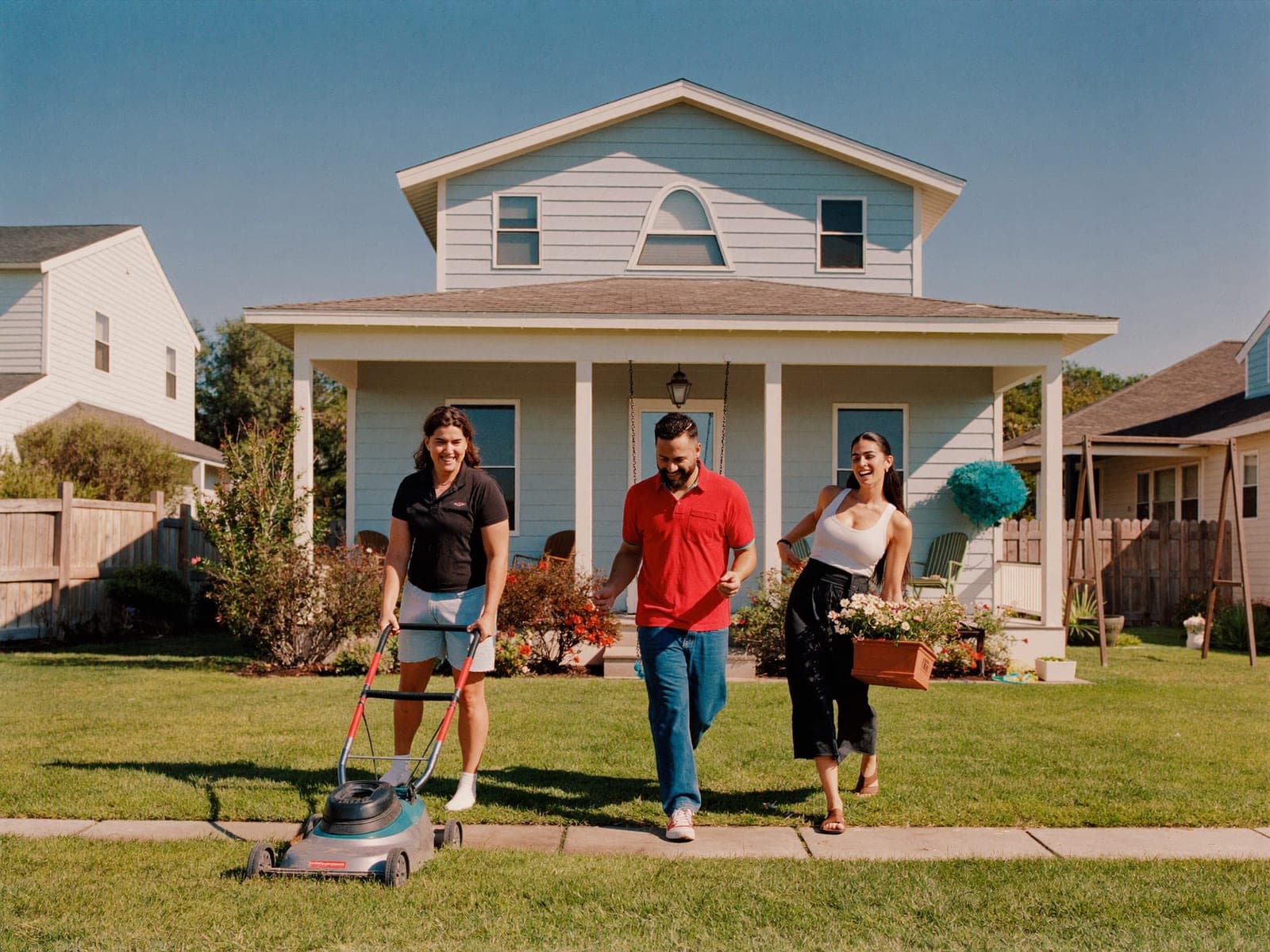
What sober living in Atlanta actually is
A sober living home — the term most people search for — is a shared residence where every person commits to living without drugs or alcohol. Recovery residences sit between a recovery program and fully independent living. Residents share a home, follow written house standards, and build the daily routines that make long-term recovery possible. For someone leaving jail, finishing a recovery program, or moving out of an unsafe situation, that structure is often the difference between starting over and starting again.
The recovery-housing landscape in Atlanta is diverse — from private residences priced for professionals to nonprofit programs that pair housing with recovery education. Smart Step, a 501(c)(3) nonprofit, operates structured recovery residences in metro Atlanta with affordability and accountability at the center of its approach.
Who recovery housing is for
A recovery residence is not a recovery program and does not replace one. It is housing with structure, and it works best for adults who have already decided to pursue recovery. Residents often arrive after completing a residential program, being released from jail, leaving a hospital, or deciding they can no longer live where using feels unavoidable.
Smart Step serves adults transitioning from jail, a recovery program, a hospital, or an unsafe living situation. People with records, past returns to use, or complicated histories are treated with respect. At the same time, the program sets firm boundaries: residents must be willing to follow house standards and stay accountable to the people they live with. That combination — respect and structure — is what makes recovery housing work.
House standards and accountability
A recovery residence only works when everyone follows the same rules. Across metro Atlanta, structured homes expect residents to remain sober, attend recovery meetings, and contribute to the household — early mornings, work or study during the day, house activities in the evening.
Smart Step's residences are built on written house standards, explained plainly during intake so there are no surprises. Residents share responsibility for the home and support one another through daily structure and peer accountability. The SteppingForward app supports resident check-ins for curfew, chores, and meetings, and — only with a resident's signed release — lets a court coordinator confirm participation.
What to look for in a recovery residence
- The environment is drug- and alcohol-free, and the rules are written down.
- House standards cover meetings, chores, and daily schedules.
- Management is reachable and transparent about fees and expectations.
- Residents are expected to work, study, or search for employment.
- The program is honest about what it can and cannot accommodate.
The differences between homes show up in the extras — life-skills coaching, recovery meetings, community activities. A person who needs more support should look for a residence with structure built into the daily schedule.
What sober living costs in Atlanta
Cost is usually the first question families ask, and it varies by residence. Private homes in desirable neighborhoods with amenities sit at a higher price point. Nonprofit residences work to keep fees manageable for people who are rebuilding.
Smart Step charges a weekly program fee and a one-time move-in fee, and maintains a payment hardship policy for residents with limited income. Ask about the hardship policy during intake rather than assuming recovery housing is out of reach — the goal is housing that supports recovery without creating unmanageable financial stress. Current fees are listed on the FAQ.
How to apply in metro Atlanta
The process is straightforward: complete an application, then go through intake. During intake Smart Step reviews eligibility factors — criminal history, medications, pets, children, and the counties served — and gives clear answers early. Applicants are told directly instead of being left waiting.
Referrals are welcome from courts, probation officers, hospitals, and recovery programs. Families can also inquire on behalf of a loved one. The easiest way to start is to apply or contact the team about availability, fees, and next steps.
How nonprofit recovery housing works
As a 501(c)(3), Smart Step focuses on keeping housing affordable and the program structured rather than maximizing profit. That matters to residents starting over with limited savings after jail, a recovery program, or a financial crisis.
The program also works with property owners who want to bring a home into the recovery-residence program. That partnership expands the housing available in metro Atlanta while giving owners a responsible, professionally managed operator. Owners can read more at partnering with Smart Step.
For families, courts, and referral partners
Families reach out because they want a loved one safe. Courts and probation officers need housing with real accountability. Hospitals and recovery programs need a discharge plan that doesn't end in a return to use. Smart Step works with all of them.
For families: the resident has to be willing. You can start the conversation and help with the application, but the person moving in follows the rules once they arrive. For courts and partners: the structure is built in — residents check in, follow house standards, and take part in the program, and a signed release lets a coordinator see participation. The accountability isn't punishment. It's safety, because everyone's recovery depends on everyone else respecting the rules.
Related pages