Transitional Housing in Atlanta: What It Means and How to Apply
Transitional housing sits between a crisis and a permanent home — a stable place to live while you rebuild routines, income, and support. Here is how it works in Atlanta, who provides it, and what to expect when you apply.
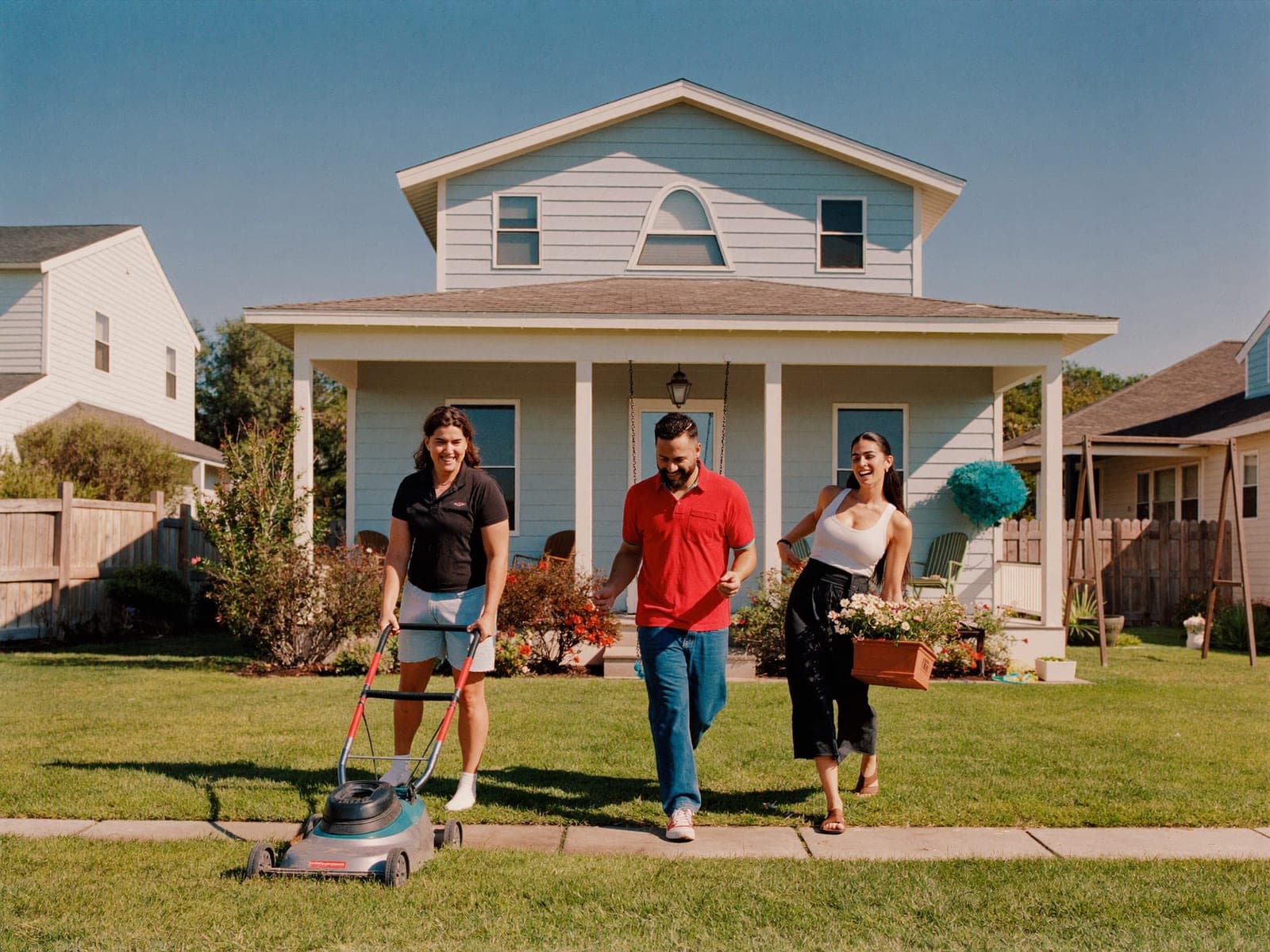
What transitional housing is
Transitional housing is time-limited housing with support attached. Unlike an emergency shelter, it usually comes with a private or semi-private room, house rules, and a plan for moving on. The goal isn't a bed for the night — it's a bridge toward stable housing, steady work, and healthier routines.
Programs vary widely: some serve homeless families, some women without children, some young adults, and some are built around recovery. What they share is a focus on stability. Residents typically agree to follow program rules, pay a fee when required, and work toward goals that make independent living possible.
How transitional housing works in Atlanta
Atlanta has a broad network of housing programs run by the city, state agencies, and nonprofits. Partners for HOME connects direct service providers with housing that serves individuals and families experiencing homelessness in the City of Atlanta. Atlanta Housing offers housing assistance, emergency housing support, and housing choice vouchers for families, individuals, seniors, people with disabilities, and people facing housing emergencies. Each program has its own rules and steps to apply.
On the state side, the Georgia Department of Behavioral Health and Developmental Disabilities publishes transitional housing resources — including free, confidential crisis help by calling or texting 988 at any time.
| Program type | Who it serves | Example in Atlanta |
|---|---|---|
| Emergency shelter and transitional housing | Youth and young adults | Covenant House — open 24 hours a day, 365 days a year |
| Transitional housing for women | Women without children | House of Dreams — a temporary housing program in Smyrna |
| Supportive short-term and long-term housing | Men, women, and children | CaringWorks apartment-based programs |
| Rapid rehousing | Families with some income | Nicholas House — an apartment-based program |
| Recovery residences | Adults in recovery | Smart Step structured homes in metro Atlanta |
Local programs for transitional housing in Atlanta
Several established organizations offer transitional housing in and around Atlanta. Knowing what each provides helps you match your situation to the right program.
City of Refuge
City of Refuge provides two transitional housing options: Eden Village and The 345. Their housing team can be reached at 345housing@cityofrefugeatl.org or (404) 281-5880; general housing inquiries can go to housing@cityofrefugeatl.org or 404.874.2241. City of Refuge asks applicants to allow up to 48 hours for a housing specialist to return a call.
House of Dreams
A temporary housing program for women without children, run by St. Vincent de Paul Georgia. Women in the program can stay from 3 months to 1 year.
Covenant House Atlanta
Serves youth facing homelessness. Its transitional housing program, Rights of Passage, is a 2-year program. Open 24 hours a day, 365 days a year: 404-589-0163.
Nicholas House
Helps homeless families achieve self-sufficiency through an apartment-based rapid rehousing program, designed for families who have some income but not enough to cover full housing costs.
CaringWorks
Provides supportive housing in apartments throughout Atlanta — short-term and long-term options for men, women, and children, alongside behavioral health services. Roughly 5,000 people are homeless on any given night in metro Atlanta, and CaringWorks works to break that cycle.
Program-linked housing
Some programs tie housing directly to a recovery program. Hope House, for example, offers short-term housing for men transitioning to and from its residential program. That kind of arrangement — residence and recovery plan working together — is common in recovery-focused housing.
Smart Step recovery residences: structured housing for adults in recovery
Smart Step Inc. is a 501(c)(3) nonprofit that operates structured recovery residences in metro Atlanta — what many people search for as sober living. These homes offer affordable housing for adults in recovery with clear house standards, accountability, and support built in. For someone leaving jail, a recovery program, or an unsafe living situation, a recovery residence can be the structure that makes the next step possible.
How a structured recovery residence is different
A transitional shelter may offer a bed and a meal. A Smart Step home offers a shared residence with rules, routines, and expectations. Residents live together, follow house standards, and stay accountable to one another. It is not a recovery program, and Smart Step does not promise that recovery is easy. It promises a sober, structured environment where rebuilding is possible.
Who can apply
Adults in recovery, including people coming out of jail, hospital stays, or recovery programs. The application addresses real-life questions — criminal record, current medications, pets, children, and the counties served. Because every situation is different, the best way to get a clear answer is to ask the intake team directly. Smart Step also coordinates referrals with courts, probation officers, hospitals, and recovery programs.
Costs and payment expectations
Smart Step charges a move-in fee and a weekly program fee, posted on the FAQ. A payment hardship policy exists for residents who run into financial trouble. Recovery housing costs money, and knowing what to expect before you apply keeps the process honest — ask what the fees cover and what happens if circumstances change.
How to apply for transitional housing in Atlanta
- Figure out which type of program fits: a family with children and some income may qualify for rapid rehousing (Nicholas House); a young adult may need Covenant House; a woman without children may look at House of Dreams; someone with a recent jail or recovery-program stay may need a recovery residence like Smart Step.
- Reach out directly. Most organizations have a housing specialist or intake line; City of Refuge asks callers to allow up to 48 hours for a return call. Confirm what documents you need and how long the wait may be.
- In a crisis, call or text 988 any time — free and confidential. The Georgia Department of Behavioral Health and Developmental Disabilities also offers transitional housing resources at 404-657-2252.
- If you are a court, hospital, or recovery program referring someone, most Atlanta providers work with referrals — Smart Step coordinates directly so the person leaving your care has a sober place to land.
Does Atlanta Housing have a waiting list?
Atlanta Housing offers housing assistance, emergency housing support, and housing choice vouchers. Each has its own rules, and demand often means waiting lists or limited openings. Because wait-list status changes frequently, the most reliable answer is to check the Atlanta Housing website or contact the agency directly.
Related pages